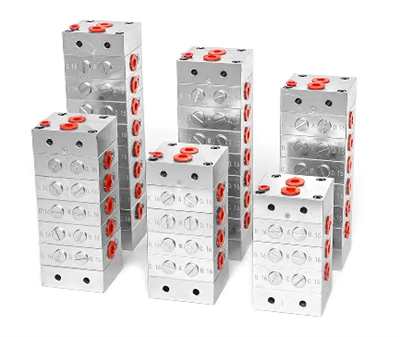
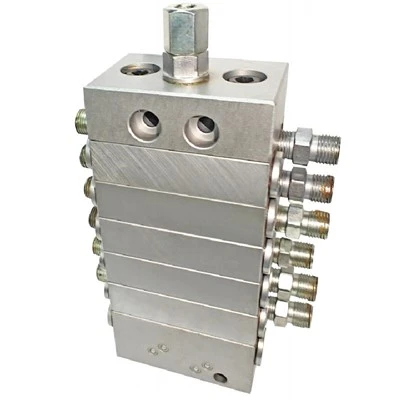
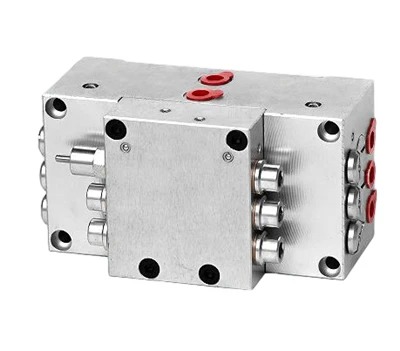
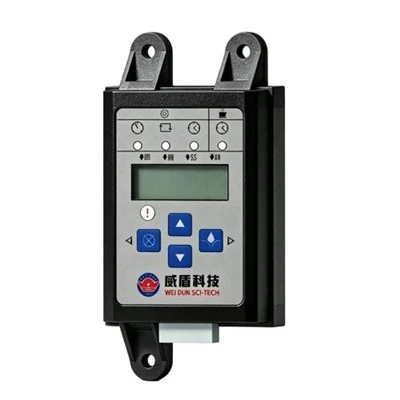
Grease pump maintenance mainly includes the following aspects:
Daily maintenance:
Equipment cleaning management: Use non-woven cloth to wipe the oil stains on the body after daily operation, and focus on cleaning the heat dissipation grille. Oil accumulation will cause dust adhesion and affect the heat dissipation efficiency, and oil drop penetration will damage electrical components.
Operation status quick check: Perform the "three checks" process before starting: check the oil level (keep the liquid level at 2/3 of the window), check the seal (check the pump body/joint for leakage), and check the oil quality (the lubricating oil should be clear and free of suspended matter). If the oil is emulsified, it needs to be stopped and replaced immediately.
Parameter recording and analysis: Record the pressure gauge reading, flow meter indication and motor current data. Typical abnormal comparison: pressure increase accompanied by flow decrease → filter blockage; abnormal current fluctuation → voltage instability or mechanical jamming.
Regular maintenance:
200-300 hours basic maintenance: Focus on checking the transmission system, use a laser alignment instrument to calibrate the coaxiality of the motor and the pump body (deviation ≤0.05mm), and control the amount of grease injected into the manual lubrication bearing to 1/3 of the cavity volume. Simultaneously detect the accuracy of the pressure gauge, and if the error exceeds 2%, it needs to be sent for inspection and calibration.
1000 hours comprehensive maintenance: Disassemble the plunger pump to check the key wear parts, and replace the chrome plating on the plunger surface if the area >5% falls off. The depth of the scratch on the distribution plate exceeds 0.02mm. It is recommended to grind it. At the same time, replace all hydraulic oils, and use a special cleaning agent when cleaning the oil tank.
3000 hours overhaul upgrade: Contact the original engineer to regenerate the system, replace all O-rings, return springs and other wearing parts, upgrade the latest version of the control system firmware, and test the pump body efficiency (standard: volumetric efficiency ≥92%). Maintenance tips for core components:
Maintenance of intelligent control system: Clean the dust in the control cabinet with compressed air every month (pressure <0.3MPa), and back up the PLC program every six months.
Maintenance plan for high-pressure pipeline: Check the clamp preload of hard stainless steel pipes every six months, and the hoses follow the principle of "3-year mandatory replacement". When maintaining quick connectors, use silicone-based lubricants instead of ordinary butter.
Special maintenance of plunger pump: After disassembly, use a three-step cleaning method: first soak with kerosene to remove sludge, then use an ultrasonic cleaner for 30 minutes, and finally blow dry the assembly surface with nitrogen. When installing, pay attention to the tightening torque of the ceramic plunger is 28±2N·m.
Environmental adaptability maintenance tips:
High humidity environment: Place a humidity indicator card in the electric control box, and enable the heating and dehumidification module when the display is >60%RH.
Extremely cold working conditions: Before switching to winter oil, the old oil must be completely drained, and the temperature should be increased in stages during preheating (the temperature rise should not exceed 15°C per hour).